What is a Fulfillment House and Do You Still Need One in 2026 or Is It Just a Waste of Money?
A fulfillment house is a partner that stores your inventory and picks, packs, and ships orders for you. In 2026 you still need one if you are wasting time packing yourself and want to scale without hiring staff.
Now let me break it down in simple, real language. No textbook definitions.

What Is a Fulfillment House Really?
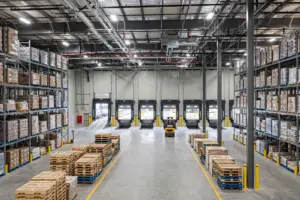
Think of the 90s. Before Shopify and Amazon, companies sold through catalogs. They had a big building where all the products were stored. When an order came by phone or mail, someone in that building would pack it and ship it. That building was called a fulfillment house.
Today we call the same thing a fulfillment center, a 3PL, or a fulfillment warehouse. The name changed, the job is exactly the same.
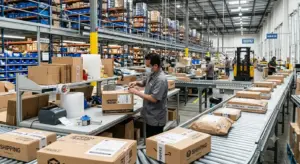
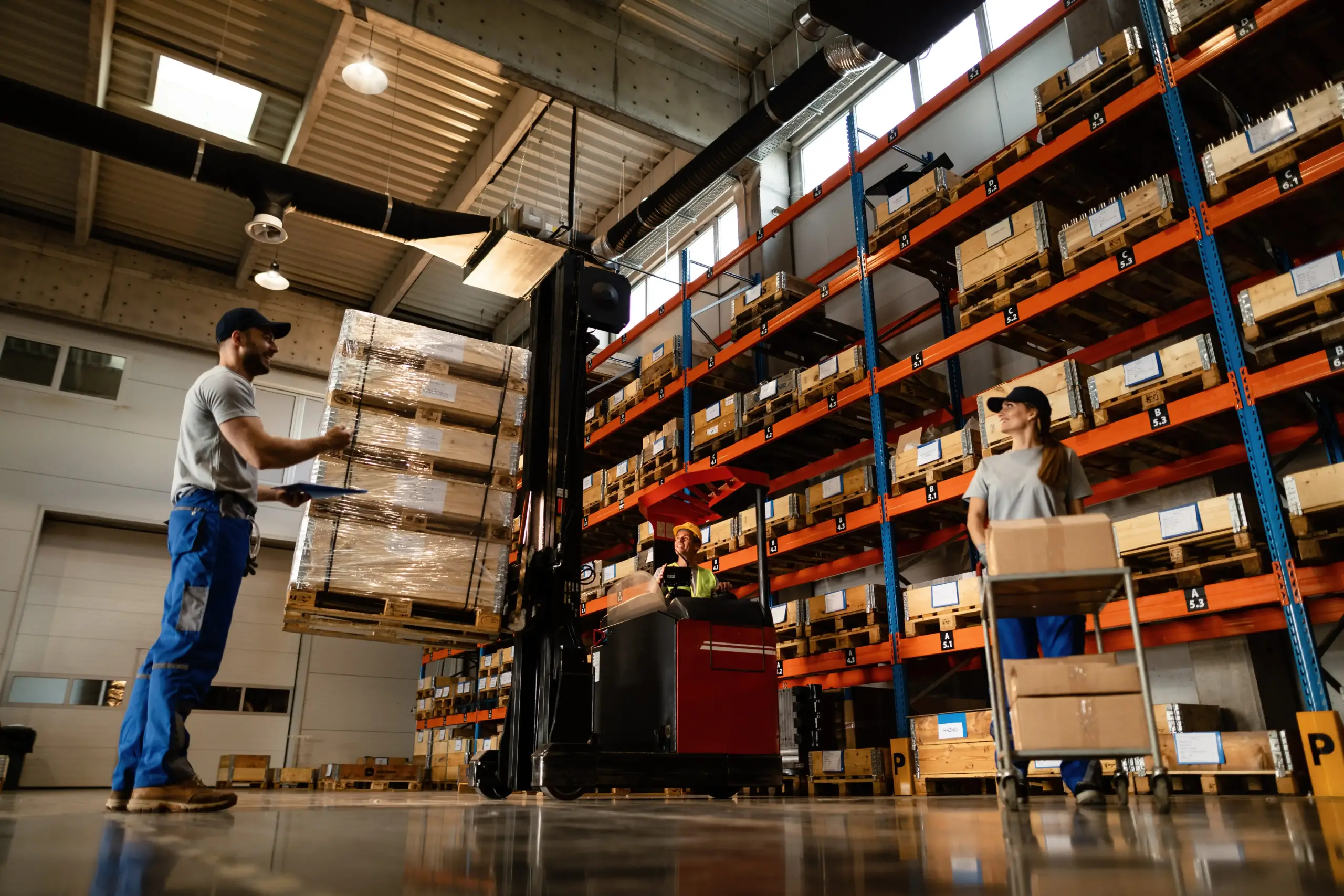
Here is how it works. Your products go from your factory straight to the fulfillment house. They receive it, check it, count it, and put it on shelves. Your Shopify, Amazon, TikTok Shop is connected to their system. The second a customer places an order, their warehouse team gets an alert. Someone picks your product, scans it, does a quality check, packs it in your branded box, and hands it to UPS, FedEx, or USPS. You just get the tracking number.
You don’t pay rent for a warehouse. You don’t hire packers. You don’t spend your Sunday putting tape on boxes.
Fulfillment House vs Fulfillment Center vs 3PL vs Warehouse – What Is The Difference?
This is why your GSC still shows “fulfillment houses” with 38 impressions. People are confused.
A Warehouse: This is just space. You pay per square foot or per pallet. They will not pick and pack for you. You have to send your own people. It’s just storage.
A Fulfillment House / Fulfillment Center: This is full service. Storage plus pick and pack plus shipping plus returns. Fulfillment house is the old name, fulfillment center is the new name. Same work.
A 3PL – Third Party Logistics: This is the biggest umbrella. Everything above plus freight, transportation, Amazon FBA prep, kitting, labeling. If a company calls itself a 3PL, it usually does fulfillment too.
So don’t get stuck on the name. In 2026, if someone says “we are a fulfillment house,” they are doing the same modern 3PL work. Look at their process, not their label.
Why Are People Still Searching Fulfillment Houses in 2026?
I saw it in your Search Console. 38 impressions for “fulfillment houses”. There are two reasons.
First, legacy buyers. Older wholesalers, publishers, and established brands still use this word. For them, “fulfillment house” means trust. It’s a term they have used for 20 years.
Second, AI Overviews. When someone types “what is a fulfillment house” on Google, Google’s AI gives a direct answer at the top. If your blog gives a clear, people-first definition, you will be cited there. That term is not dead, its intent is still alive.
What Actually Changed in 2026?
Three things changed completely.
- Customer patience is zero. In 2018, 5-7 days delivery was okay. In 2026, if you don’t deliver in 2 days, the customer returns it. You cannot do that from your garage.
- You sell everywhere now. One order on Shopify, one on Amazon, one on TikTok Shop, one on Walmart. Managing inventory across all of them yourself is a nightmare. One oversell and you get a bad review.
- Shipping costs killed self-fulfillment. USPS, UPS, FedEx have increased rates every year. If you ship 50 orders yourself, you pay retail rates, around 12 to 15 dollars per parcel. A fulfillment house ships thousands of parcels daily, so they get discounted rates of 7 to 8 dollars. You save 30 percent without doing anything.
That’s why in 2026, a fulfillment house is not a waste of money. Doing it yourself is the waste of money, if you are at the right stage.
5 Signs You Actually Need a Fulfillment House Now
Be honest. If two of these are true for you, it’s time.
- Your home has become a warehouse. Your living room has boxes, your garage is full, your family is complaining. This is always the first sign I see with small brands.
- You are spending more time packing than growing. You started the brand to do marketing, product development, sales. But your whole day goes into picking, packing, printing labels. You have no time to grow.
- Late shipments and wrong orders are increasing. A customer says “wrong color” or “I ordered 2, got 1”. One wrong order equals one bad review, and one bad review costs you 10 future customers.
- Your shipping cost is eating your profit. You sell a product for 50 dollars and pay 12 dollars to ship it. That’s 24 percent gone. A fulfillment partner can bring it down to 8 dollars with their bulk rates.
- You are scared to scale. A big retailer wants 500 units. A TikTok video goes viral. You are thinking “how will I pack 500 orders tomorrow?” With a fulfillment house, you can go from 50 to 1000 orders overnight.
This is exactly what happens daily at Metro-Pack, an FDA registered fulfillment center in Newburgh, NY, where small brands send their inventory and become free to focus on growth.
When Is It Actually a Waste of Money?
Not everyone needs it. Don’t take it if this is you:
- You get less than 20 orders a day. If you are doing 10 to 20 orders, do it yourself for now. The math only makes sense after 50 plus orders per day or 300 plus per month.
- Your product is extremely custom. If every order needs a handwritten note, or you sell live plants, or highly fragile custom art that needs special handling, automation won’t help yet.
- You haven’t found product-market fit. If you are still testing whether your product will sell, ship the first 100 orders yourself. Get feedback. Once you know it sells, then outsource.
A fulfillment house is an investment when you have proof of sales. It is a waste when you are still in testing mode.
How Much Does It Really Cost for a Small Business?
This is the fear everyone has. Let me give you a real breakdown, not a sales pitch.
Receiving: When your inventory arrives, they charge 25 to 40 dollars per pallet to check and count it.
Storage: Per pallet per month, 15 to 40 dollars depending on location. New York is a bit higher, but you save on shipping because you are close to your customers in the Northeast.
Pick and Pack: 2 to 3 dollars per order plus the cost of the box and filler. If you need kitting or bundles, a little extra.
Shipping: You use your own UPS account or you use their discounted rates. This is where you save.
Real example: Let’s say you do 100 orders a month, average weight 2 lbs. Your fulfillment fees will be around 350 to 600 dollars plus shipping. If you do it yourself, you will pay 900 to 1100 dollars just in retail shipping plus 40 hours of your own time. That’s the hidden cost no one calculates.
That is why at Metro-Pack we always tell startups, we are not expensive, we actually make you cheaper.
How to Choose the Right Fulfillment House? Your Checklist
If you search “fulfillment companies near me” you will get 100 results. Use this checklist to filter:
- Are they FDA registered? If you sell health, beauty, supplements, or food, this is non-negotiable. Amazon will reject your inventory without it.
- Do they lock you in a long term contract? Good partners don’t. They should have no long term contract. That shows confidence. That’s how trust is built.
- Do they give real time tracking? You should know at any second how much inventory is left, which order is where, what is out of stock. If they don’t have a dashboard, don’t go for it.
- Where is their warehouse? Keep your inventory where 80 percent of your customers are. If your customers are in NYC and New Jersey, a warehouse in Newburgh, NY is perfect because you can cover the entire Northeast in 1 to 2 days.
- Do they handle returns? In 2026, 20 percent of ecommerce orders are returned. Who will handle that? Who will check the returned product? Ask this on day one.
If you get clear answers to these five, you have found a partner, not just a godown.
Final Answer: Should You Take It or Not?
A fulfillment house is not dead in 2026. Only its name changed to fulfillment center or 3PL. The need is bigger than ever before.
If you are doing 50 plus orders a day, your home has become a warehouse, and you want to scale instead of packing, then it is not a waste of money. It is the cheapest way to grow.
If you are doing 10 orders a day and still testing your product, then do it yourself for 3 more months.
Money is wasted when you choose the wrong partner at the wrong time. Right partner at the right time gives you 10x growth.
If you want to check whether you are ready, just compare your current shipping bill and the hours you spend packing every week with a quote from a 3PL. You will get your answer in 5 minutes.
If you want a second opinion, you can talk to the team at Metro-Pack and see how your numbers look against their small business model.